
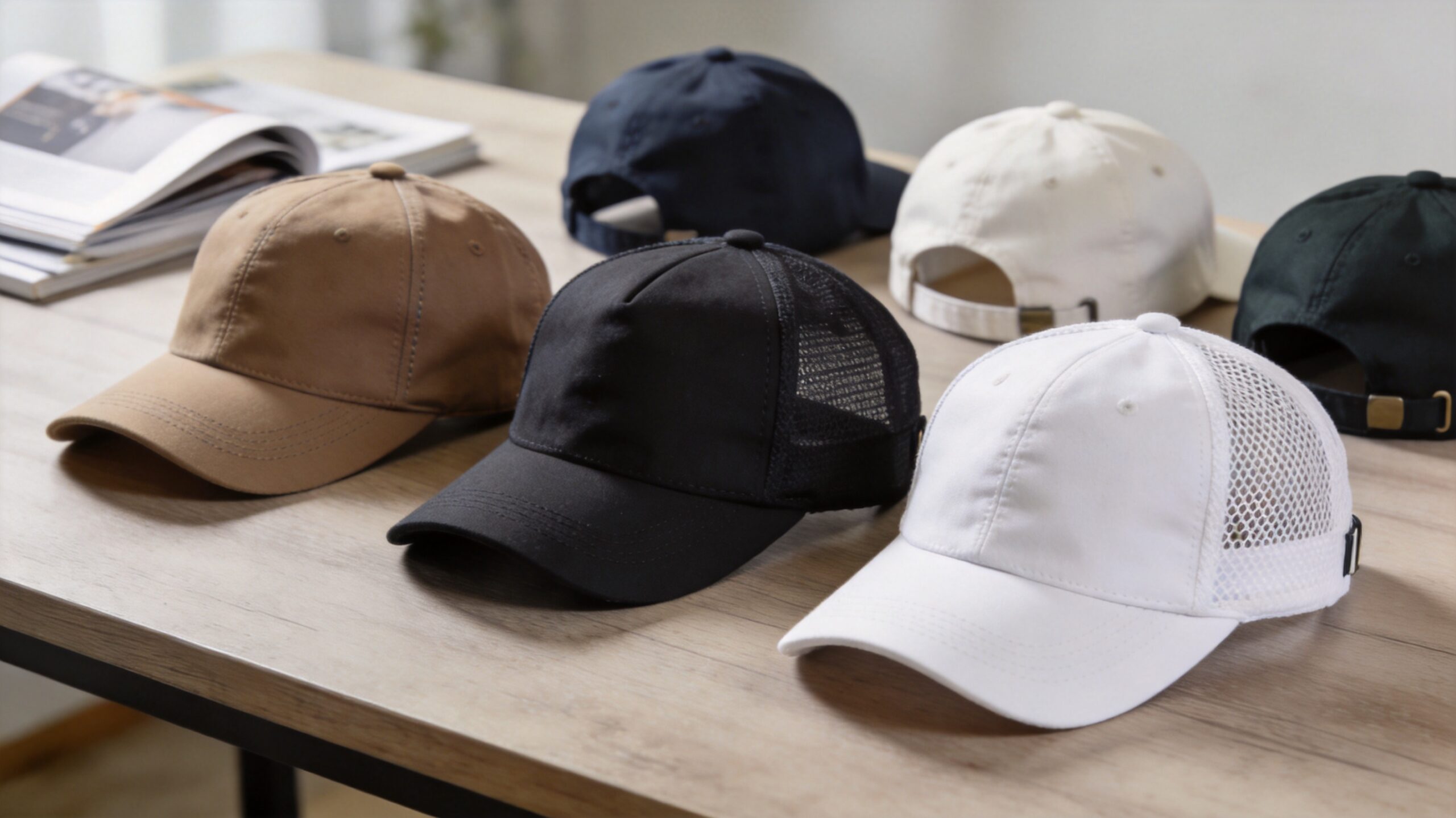
The Wholesale Guide to Baseball Cap Customization: How to Choose Baseball Caps for Bulk Orders
In the competitive world of branded merchandise and team apparel, the humble baseball cap remains one of the most versatile and cost-effective promotional items available. Whether you are outfitting a corporate sales team, stocking a retail shelf, or equipping a little league organization, ordering baseball caps in bulk requires careful planning. A poorly chosen cap can damage your brand perception, while the right selection can become a walking billboard for your business. This guide provides a practical framework for navigating the complexities of wholesale baseball cap customization, from material selection to supplier management.
1. Understanding Baseball Cap Specifications for Bulk Orders
Before placing a large order, you must understand the fundamental specifications that define a quality baseball cap. These details directly impact comfort, fit, and durability.
Key Measurements: Crown Height, Brim Width, and Fit
The crown is the dome-shaped portion of the cap that sits on the head. A high-profile crown offers a more traditional, structured look, while a low-profile crown sits closer to the head and is often preferred for casual or athletic wear. Brim width is another critical factor. A standard curved brim is about 2.75 inches deep, while a flat brim (often associated with fashion-forward styles) can be 3 inches or more. Fit is determined by the combination of these measurements and the closure system. For bulk orders, consistency in these dimensions across all units is non-negotiable.
Fabric Options: Cotton, Polyester, and Blends
Fabric selection affects breathability, washing instructions, and cost. Heavy cotton twill (typically 100% cotton) offers a soft, matte finish and is ideal for embroidery. However, cotton can shrink. Polyester caps are lightweight, moisture-wicking, and hold their shape well, making them suitable for sports teams. Polyester-cotton blends (e.g., 65% polyester / 35% cotton) combine the best of both worlds: durability and comfort. For a technical reference on fabric science, see this industry reference. For mid-range pricing, a cotton-polyester blend is often the safest choice for wholesale orders.
Closure Types: Snapback, Strapback, and Fitted
The closure determines how the cap adjusts to different head sizes. Snapback closures feature a plastic snap mechanism, offering quick adjustability and a distinct, modern look. Strapback closures use a fabric strap with a metal buckle or clip, providing a more classic, adjustable fit. Fitted caps are sized by head circumference (e.g., 7 1/8, 7 1/4) and offer a clean, uninterrupted front panel for logos. For bulk orders targeting a general audience, a snapback or strapback closure is recommended to minimize returns due to sizing issues.
2. Matching Baseball Cap Styles to Business Use Cases
Different business scenarios call for different cap styles. Choosing the right style for your audience maximizes the impact of your investment.
Corporate Promotional Events
For trade shows, client gifts, or employee incentives, a classic, unstructured cap in a neutral color (e.g., navy, black, or charcoal) works best. A low-profile, six-panel cotton cap with a subtle embroidered logo conveys professionalism and understated brand presence. Avoid overly trendy designs that may look dated quickly.
Sports Teams and Uniforms
Community sports teams, corporate leagues, and school athletic programs require caps that are durable, moisture-wicking, and highly visible. A structured, high-profile baseball cap with a polyester blend and a curved brim is ideal. These caps often feature a large, bold logo on the front panel and a player number or team name on the back. Fitted or snapback closures are common for team uniforms.
Retail Merchandise and Branding
If you are producing baseball caps for retail sale, consider current fashion trends. Flat brim caps with foam front panels and large, colorful embroidery are popular in streetwear and lifestyle brands. A six-panel, structured cap with a snapback closure is a classic retail staple. For retail, you must also consider packaging and display compatibility.
3. Comparing Baseball Cap Construction and Quality
Not all baseball caps are built the same. Understanding construction methods will help you evaluate quality and communicate effectively with your supplier.
Structured vs. Unstructured Caps
A structured cap has a stiff front panel, often reinforced with a layer of foam or buckram. This maintains the cap’s shape, even when worn loosely. An unstructured cap has no reinforcement, so it conforms to the wearer’s head shape and can be folded or packed flat. For a crisp, professional look, choose structured caps. For a relaxed, comfortable feel, choose unstructured caps.
Six-Panel vs. Five-Panel Designs
The number of panels refers to the fabric sections sewn together to form the crown. The classic six-panel construction is the industry standard for baseball caps. It provides a balanced shape and allows for a prominent front panel for branding. Five-panel caps (often called “dad hats” or “camp caps”) have a more rounded, unstructured shape and are popular for casual, vintage-inspired looks. For most bulk orders, six-panel caps are the most versatile and widely accepted.
Embroidery vs. Screen Printing for Logos
Embroidery involves stitching a design directly onto the fabric using thread. It is durable, professional, and adds texture. However, it is not suitable for highly detailed or multi-color designs with fine lines. Screen printing uses ink to create a flat, smooth image on the fabric. It is ideal for complex logos and gradients, but it may crack or fade over time. For a premium feel and long-lasting results, embroidery is the recommended choice for caps.
4. Customization Techniques for Branded Baseball Caps
The customization method you choose will significantly impact the final look and cost of your baseball caps.
Embroidery: Thread Count and Placement
Embroidery is the most common customization for caps. The standard placement is a 2.5 to 3-inch logo on the center front panel. For a denser, more vibrant look, request a higher thread count (e.g., 10,000 to 12,000 stitches per design). This is especially important for small text or intricate shapes. According to this technical reference, thread density affects durability. Always ask for a digital mockup of the embroidery to ensure the design translates well to stitch.
Patch Application and Woven Labels
For a vintage or retail-ready look, consider a woven patch sewn onto the cap. Patches can be sewn on the front, side, or back. They allow for more detailed artwork than direct embroidery and create a distinct, tactile logo. Woven labels are also an option for side panels or the back closure.
Color Matching and Pantone Standards
Color consistency is critical for brand identity. When ordering custom baseball caps, provide your supplier with Pantone color codes for each color in your logo and the cap fabric. Request a physical color swatch from the fabric mill before production. Different materials (e.g., cotton vs. polyester) will absorb dye differently, so swatches are essential for accurate color matching.
5. Sourcing and Supplier Considerations for Wholesale Baseball Caps
Choosing the right supplier is as important as choosing the right cap design.
Domestic vs. Overseas Manufacturing
Domestic manufacturers (e.g., in the USA or Europe) typically offer faster turnaround times, lower minimum order quantities (MOQs), and easier communication. However, they are often more expensive per unit. Overseas manufacturers (e.g., in China, Vietnam, or Bangladesh) offer lower unit costs and a wider variety of materials, but lead times are longer (often 8–12 weeks), and MOQs are higher (often 500+ units per style). For your first bulk order, consider a domestic supplier to minimize risk.
Minimum Order Quantities (MOQs) and Lead Times
MOQs vary widely by supplier. Some domestic suppliers may accept orders as low as 72 units, while overseas factories may require 500 or 1,000 units per color and style. Lead times for custom caps range from 2 weeks (rush domestic orders) to 12 weeks (standard overseas orders). Always confirm MOQs and lead times in writing before placing an order.
Sampling and Quality Control
Never proceed to full production without first approving a physical sample. Request a “pre-production sample” (PPS) or a “counter sample” that matches your design specifications. Inspect the sample for stitch quality, color accuracy, and overall fit. If possible, perform a wash test to check for shrinkage or color bleeding.
6. Implementing a Successful Bulk Baseball Cap Order
A smooth order process requires careful planning from start to finish.
Determining Your Budget and Quantity
Your budget will dictate your options. For example, a budget of $5 per cap may limit you to basic polyester caps with simple embroidery, while a budget of $15 per cap allows for premium cotton blends, structured construction, and complex patch designs. Calculate your total cost, including customization, shipping, and any import duties. Use this figure to determine the optimum quantity to achieve your target cost per unit.
Timeline Management from Design to Delivery
Work backward from your desired delivery date. For a typical order, allow 1–2 weeks for design finalization, 2–3 weeks for sampling, 4–8 weeks for production, and 1–3 weeks for shipping (domestic) or 4–6 weeks (ocean freight). Build in at least 2 weeks of buffer time for unexpected delays.
Distribution and Inventory Planning
Decide in advance how you will distribute the caps. Will they be shipped to a single warehouse, or drop-shipped to multiple locations? Will you store inventory for future events? Factor in warehousing costs and packaging needs. For event giveaways, consider individually bagging each cap to keep them clean and presentable.
7. Frequently Asked Questions About Bulk Baseball Cap Orders
What is the typical turnaround time for custom caps?
For a standard order of 500–1,000 baseball caps, expect a turnaround time of 6–10 weeks from design approval to delivery. Rush orders (2–3 weeks) are often available from domestic suppliers at a premium cost.
How do I choose the right size for a uniform order?
For adjustable caps (snapback or strapback), one-size-fits-most is standard. For fitted caps, order a range of sizes based on your team’s head measurements. A common mix for adult teams is 30% size 7, 40% size 7 1/4, and 30% size 7 1/2. Always order a few extra caps in the most common sizes.
Can I mix styles and colors in one order?
Many suppliers allow mixing styles and colors within a single order to meet their MOQ. For example, you may be required to order a minimum of 144 units total, but you can divide that into 72 navy caps and 72 black caps. However, mixing different cap models (e.g., structured vs. unstructured) may incur separate setup fees. Always confirm your supplier’s policy on mix-and-match orders.
Conclusion
Ordering baseball caps in bulk is a strategic investment that can elevate your brand, unify your team, or generate retail revenue. By understanding the key specifications—from fabric and closure to construction and customization—you can choose caps that meet your functional needs and budget. Partnering with a reliable supplier, managing your timeline carefully, and paying attention to quality control will ensure your custom baseball caps deliver the professional impact you expect. Whether you are ordering for a corporate event, a sports league, or a retail line, the right baseball cap can become a lasting symbol of your brand’s identity.