
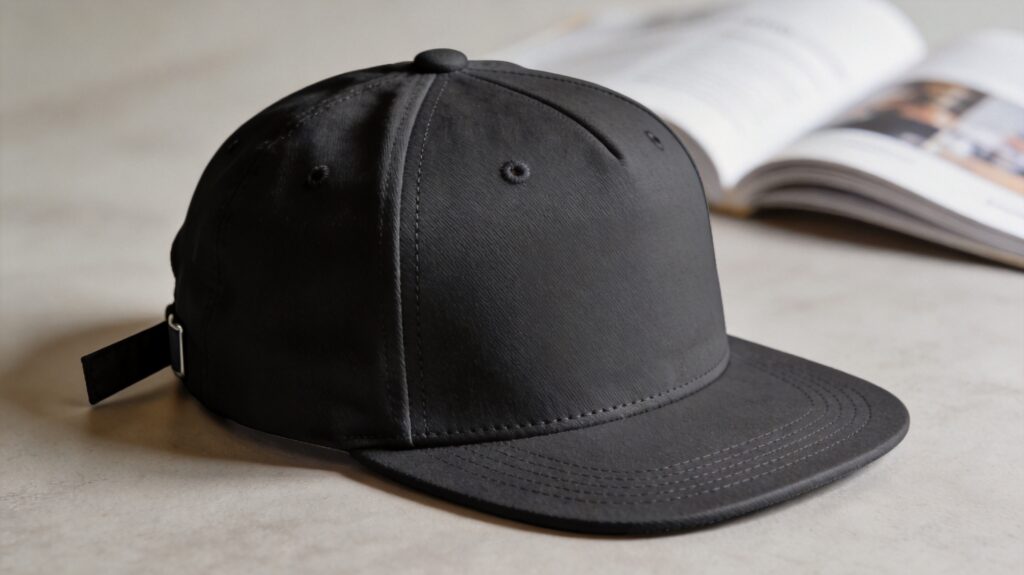
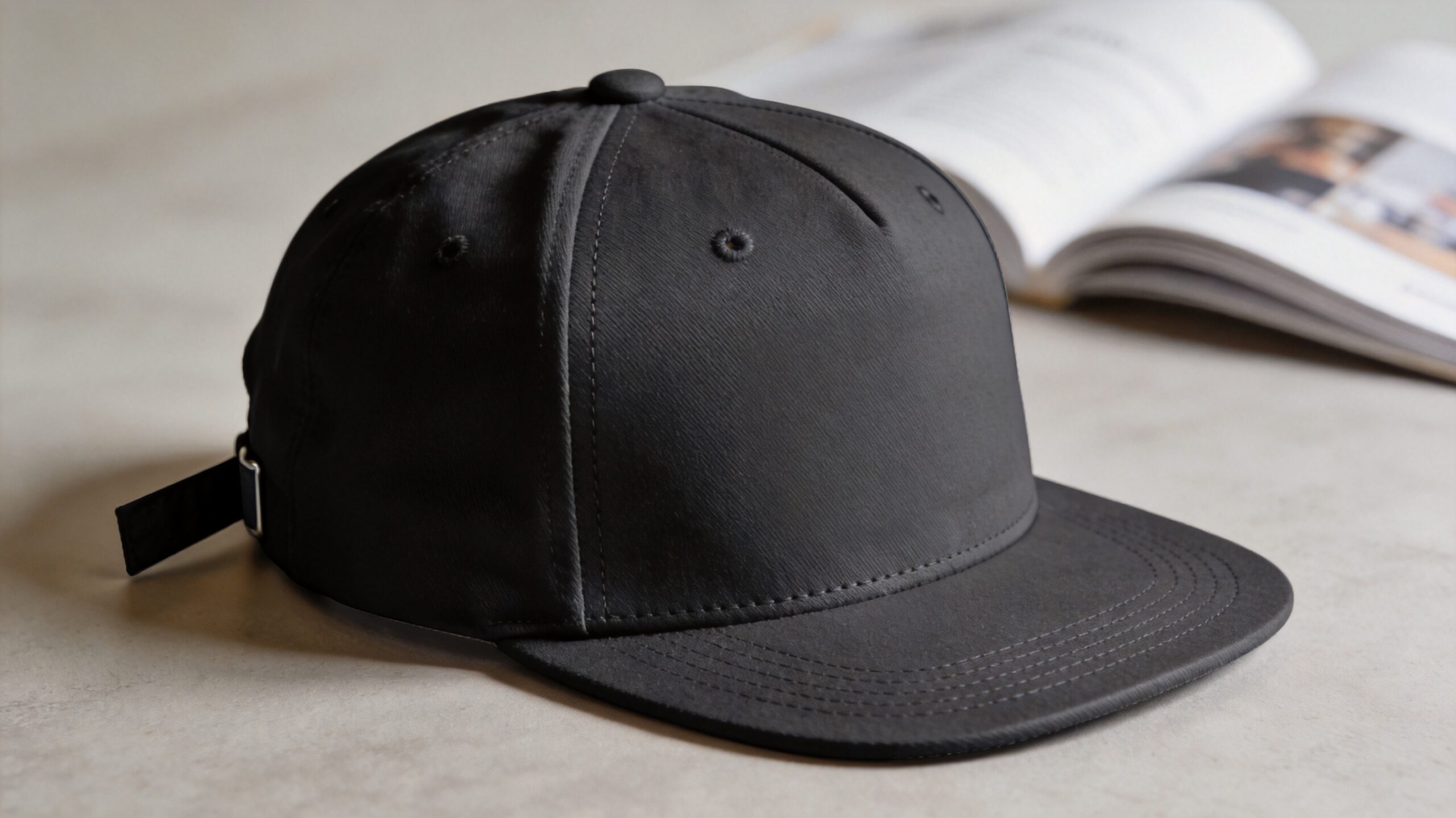
In the competitive world of branded merchandise, the snapback cap baseball remains a staple for sports teams, streetwear brands, and corporate promotional campaigns. For wholesale buyers, selecting the right custom embroidered snapback requires careful consideration of materials, design limitations, and supplier reliability. This beginner’s guide to choosing the right baseball cap provides actionable insights to help you make informed decisions, maximize your budget, and deliver high-quality products that resonate with your target audience.
1. Understanding Snapback Cap Baseball: Key Specifications for Wholesale Buyers
Anatomy of a Snapback Cap: Crown, Brim, and Closure
A standard snapback cap baseball consists of three primary components: the crown, the brim, and the closure. The crown is typically structured with six panels sewn together, providing a high-profile shape that holds its form. The brim is usually flat and stiff, though some styles offer a curved option. The closure features a plastic snap mechanism at the back, allowing for adjustable sizing. Understanding these elements is crucial when communicating specifications to manufacturers.
Standard Sizing and Fit Considerations
Unlike fitted caps, snapbacks offer one-size-fits-most adjustability, typically accommodating head circumferences from 54 to 62 centimeters (industry reference on snapback sizing standards). Wholesale buyers should verify the closure range and ensure the cap fits securely without being too tight. Requesting size charts from suppliers helps avoid returns and ensures consistency across bulk orders.
Material Options: Cotton, Polyester, and Blends
Material selection directly impacts comfort, durability, and appearance. Cotton snapbacks provide a natural, breathable feel and are ideal for everyday wear. Polyester caps offer moisture-wicking properties and color retention, making them suitable for active use. Blended fabrics, such as cotton-polyester mixes, combine the best of both worlds—softness and performance. For custom embroidery, tighter weaves typically yield better stitch definition.
2. Why Custom Embroidered Hats Elevate Your Brand or Team
Advantages of Embroidery Over Screen Printing or Patches
Embroidery adds a tactile, premium feel that screen printing or patches cannot replicate. It integrates the design directly into the fabric, ensuring it won’t peel, crack, or fade over time (technical reference on embroidery durability). For B2B buyers, this translates to higher perceived value and longer product lifespan. Embroidery also withstands frequent washing and outdoor exposure, making it ideal for sports teams and promotional merchandise.
Design Limitations: Stitch Count, Thread Colors, and Placement
Custom embroidery has specific constraints. Most machines handle up to 12 thread colors per design, but limiting to 5–7 colors improves clarity and reduces costs. Stitch count affects density and texture—higher counts produce more detailed logos but may stiffen the fabric. Common placement areas include the front center, left side, back, or all-over coverage. Wholesale buyers should provide vector artwork (e.g., AI, EPS) to ensure accurate digitizing.
Durability and Perceived Value in B2B Contexts
Embroidery creates a raised, three-dimensional effect that signals quality. In promotional scenarios, recipients perceive embroidered caps as valuable gifts, increasing brand recall. For retail, these caps command higher price points. The durability of embroidered logos also reduces the risk of brand misrepresentation due to wear and tear, as seen in products like the washed distressed grey baseball cap with embroidered logo.
3. Comparing Snapback Cap Baseball Designs: Styles and Trends
Classic vs. Modern Snapback Profiles
Classic snapbacks feature a structured, high crown with a flat brim, reminiscent of 1990s streetwear. Modern profiles sometimes incorporate a lower crown or a more relaxed fit, appealing to contemporary fashion sensibilities. Wholesale buyers should align style choices with their target demographic—streetwear brands often favor classic profiles, as seen in the street hip-hop style snapback cap, while corporate clients may prefer modern, understated designs.
Curved vs. Flat Brim Preferences
The brim shape is a key differentiator. Flat brims, often pre-curved by manufacturers, maintain a crisp, urban look. Curved brims offer a more traditional baseball cap aesthetic. Purchase orders can specify brim curvature preferences, but many suppliers ship with flat brims that end users can curve manually. Offering both options in a catalog can broaden market appeal.
Color Combinations and Contrast Stitching
Color matching is critical for brand consistency. Many snapback cap baseball designs use contrast stitching to highlight panels or logos. Popular combinations include black crowns with white embroidery or navy caps with red accents. Wholesale buyers should request Pantone matching to ensure color accuracy across production runs.
4. Use Cases for Snapback Cap Baseball in Wholesale Orders
Sports Teams and Fan Merchandise
Snapbacks are a natural choice for sports teams, offering adjustable sizing and a sporty silhouette. Team logos, mascots, and player numbers can be embroidered on the front or side. Bulk orders for youth leagues, collegiate teams, or professional fan merchandise drive consistent demand.
Corporate Promotional Giveaways
Companies use custom snapbacks for trade shows, employee incentives, and brand awareness campaigns. The practical, unisex design appeals to a wide audience. Embroidery adds a professional finish that elevates the giveaway from a simple promotional item to a wearable brand asset.
Retail Inventory and Streetwear Collections
For retailers and streetwear brands, snapback cap baseball designs are a core product category. Limited-edition runs with unique embroidery or colorways can generate buzz. Wholesale buyers should consider seasonal trends, such as pastel colors for spring or knit blends for winter.
5. Sourcing Reliable Suppliers for Custom Snapback Caps
Domestic vs. Overseas Manufacturing Considerations
Domestic suppliers offer faster turnaround times, easier communication, and simpler quality control. However, they typically have higher per-unit costs. Overseas manufacturers, particularly in China or Vietnam, provide lower pricing but require longer lead times and careful logistics planning. Wholesale buyers should weigh cost savings against the importance of speed and reliability.
Minimum Order Quantities (MOQs) and Pricing Tiers
MOQs for custom snapbacks range from 50 to 500 units per design, depending on the supplier. Higher MOQs generally reduce per-unit costs. Pricing tiers often break at 100, 250, and 500 units. Negotiating tiered pricing can help manage inventory risk while maximizing margins.
Quality Control: Sample Approval and Production Lead Times
Always request a physical sample before approving full production. Evaluate stitching quality, color accuracy, fabric hand feel, and closure functionality. Typical lead times are 10–30 business days, with rush orders available at a premium. Factor in shipping time, especially for international orders.
6. Implementation Steps for Wholesale Custom Embroidery
Artwork Preparation: Vector Files and Digitizing
Embroidery requires digitized files that convert artwork into stitch patterns. Provide vector files (AI, EPS, SVG) with clear outlines and solid colors. Avoid gradients, fine text, or intricate details that may not translate well. Most suppliers offer digitizing services for a fee, typically $15–$50 per design.
Placement Options: Front, Side, Back, or All-Over
Standard placement is the front center, but side panels, back closures, and even under-brim embroidery are available. All-over embroidery covers the entire crown, creating a bold statement. Placement affects pricing, as more coverage requires more stitches and time.
Cost Breakdown: Setup Fees, Per-Hat Embroidery, and Volume Discounts
Setup fees cover digitizing and sample creation, typically $50–$150 per design. Per-hat embroidery costs range from $2–$5, depending on stitch count. Volume discounts can reduce the per-hat price by 10–20% for orders exceeding 500 units. Request a detailed quote itemizing all charges.
7. Frequently Asked Questions About Snapback Cap Baseball Wholesale
What is the typical turnaround time?
Standard turnaround is 15–20 business days from sample approval. Rush orders can be completed in 7–10 days at an additional cost. Always confirm lead times before placing an order.
How do I ensure color matching across runs?
Request Pantone matching for all thread colors. Ask suppliers to retain dye lots and provide digital color proofs. For reorders, refer to the original order number and sample to maintain consistency.
Can I mix different designs in a single order?
Many suppliers accommodate mixed designs within a single order, but each design may incur its own setup fee. Check MOQ requirements per design; some suppliers allow a combined MOQ across designs.
—
Choosing the right snapback cap baseball for your wholesale custom embroidery project requires a balance of design, material, and supplier considerations. By understanding the anatomy, embroidery advantages, and sourcing strategies outlined here, you can confidently select caps that meet your brand standards and budget. Whether you’re outfitting a sports team, launching a streetwear line, or planning a corporate giveaway, a well-executed embroidered snapback delivers lasting value.